Heavy-duty angle steel solutions for the global industrial market
News Details
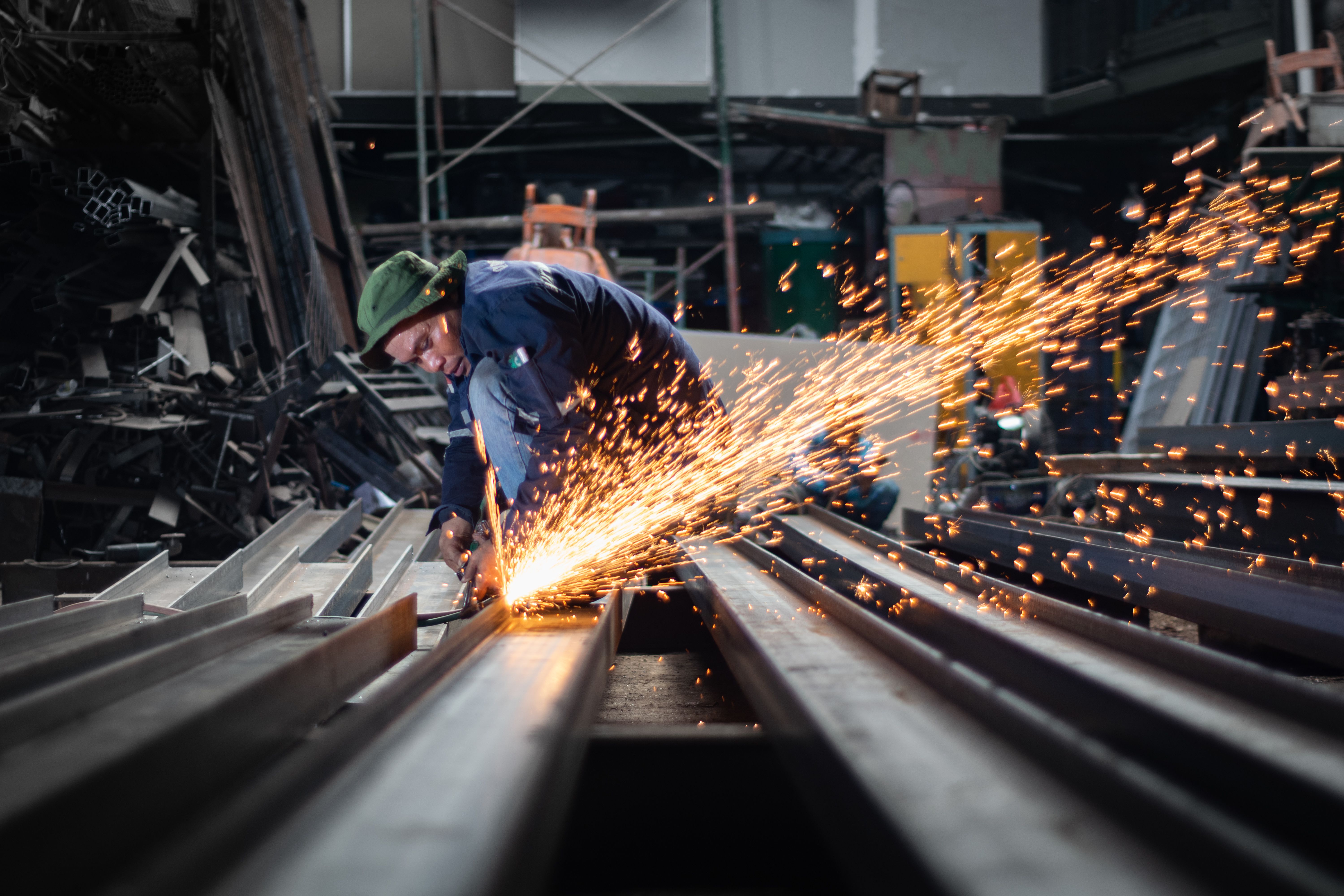
Heavy-duty angle steel is widely used in construction, industrial equipment, support frames, and many other projects. Its L-shaped design provides strength and helps support loads. As a result, it is a useful choice for many industrial structures.
Today, global buyers need steel products that meet project needs, quality standards, and budget goals. At the same time, they must protect equipment and outdoor assets from rain, dust, sunlight, and other risks. Therefore, material selection and proper protection are both important for long-term use.
This article explains the main uses of heavy-duty angle steel, how to choose the right type, and why equipment protection matters in industrial markets.
What Is Heavy Duty Angle Steel?
Heavy-duty angle steel is a structural steel product with an L-shaped cross-section. It usually has two sides, called legs, that meet at a right angle. These legs may have equal or different widths.
Because of its shape, angle steel can provide support in many types of structures. In addition, it is easy to connect with other steel parts through welding, bolting, or other suitable methods.
Common uses include:
- Industrial support frames
- Building structures and steel towers
- Machine bases and equipment supports
- Storage racks and warehouse systems
- Brackets, braces, and reinforcing parts
However, the right angle steel depends on the load, size, material grade, and working conditions. Therefore, buyers should check the design requirements before placing an order.
Key Benefits of Heavy-Duty Angle Steel for Industrial Projects
Heavy-duty angle steel offers several benefits for industrial use. First, its simple shape makes it suitable for many structural designs. Second, it can provide good strength when engineers select the right size and grade.
Strength and Stable Support
Angle steel can support loads in frames, brackets, and other structures. Moreover, its two-leg design helps connect parts at right angles.
For this reason, it is often used in factories, warehouses, and equipment support systems. However, the final load capacity depends on the steel grade, dimensions, connection method, and overall design.
Flexible Design Options
Industrial projects often have different space and load needs. Fortunately, angle steel comes in different sizes and thicknesses.
As a result, engineers can select suitable products for specific structures. They can also combine angle steel with plates, tubes, and other steel sections to meet project needs.
Practical Fabrication and Installation
Angle steel can be cut, drilled, welded, and bolted when the material and project design allow it. Therefore, it can help simplify the production of many steel structures.
In addition, standard sizes may make sourcing and replacement easier. For custom projects, buyers should confirm the required dimensions, tolerances, and surface treatment with their supplier.
Common Heavy-Duty Angle Steel Applications
Heavy-duty angle steel serves many industries. Its exact role depends on the design and the conditions in which the structure will operate.
Construction and Building Structures
In construction, angle steel may be used for supports, braces, frames, and connection parts. It can help connect structural members and support selected loads.
However, structural safety must come first. Engineers should calculate the required strength and check the relevant building codes before choosing a steel section.
Industrial Equipment and Machinery
Factories use steel frames to support machines, tools, and production systems. Angle steel can be part of these frames, brackets, and equipment stands.
At the same time, industrial equipment may face dust, moisture, oil, and daily wear. Therefore, buyers should also consider corrosion control, routine maintenance, and suitable protective measures.
Warehouses and Storage Systems
Warehouses need stable racks, support frames, and storage structures. Depending on the design, angle steel can help build or reinforce these systems.
For busy storage areas, correct installation is essential. In addition, regular checks can help identify loose connections, corrosion, or damage before they become larger problems.
Outdoor and Infrastructure Projects
Outdoor steel structures face changing weather throughout the year. Rain, sunlight, moisture, and airborne dirt can affect exposed surfaces.
Therefore, material grade, surface treatment, drainage, and maintenance all matter. In harsh environments, the project team should choose a suitable corrosion protection system.
How to Choose the Right Heavy-Duty Angle Steel
Choosing the right angle steel requires more than checking its price. Buyers should review several key factors before making a decision.
Check Steel Size and Thickness
First, confirm the length of each leg and the material thickness. These dimensions affect the fit, strength, and weight of the finished structure.
Next, check whether the steel meets the project drawings and required standards. This step helps reduce fitting problems during installation.
Review Material Grade and Standards
Different steel grades have different strength and performance levels. Therefore, buyers should select a grade that meets the design and local code requirements.
Also, confirm the supplier's test documents and material details when needed. Clear specifications can help reduce confusion during international purchasing.
Consider Corrosion Protection
Steel exposed to moisture or outdoor conditions may need added protection. Depending on the application, options can include galvanizing, painting, or other suitable coatings.
In addition, regular inspection helps maintain the structure over time. The best solution depends on the environment, expected service life, and maintenance plan.
Work With a Reliable Supplier
A reliable supplier should provide clear product details, stable quality, and useful technical support. For large projects, buyers should also confirm production capacity, delivery schedules, packaging, and export requirements.
As a result, careful supplier selection can help reduce delays and support smoother project management.
Protect Industrial Equipment With Suitable Custom Covers
Although heavy-duty angle steel supports industrial structures, many projects also contain machines, tools, outdoor furniture, and other assets that need protection.
For example, equipment stored outdoors may face rain, dust, sunlight, and dirt. A suitable protective cover can help reduce direct exposure and make routine cleaning easier.
However, protective covers serve a different purpose from structural steel. Angle steel provides structural support, while covers help protect equipment and other items from outdoor conditions.
Custom Protective Covers for Industrial and Outdoor Use
Coverqueen, a protective cover brand operated by Suzhou Dihang Management Co., Ltd., provides covers for outdoor furniture, RVs, boats, grills, and awnings. The company also offers OEM and custom solutions for global customers.
Its product range is relevant to businesses that need protection for outdoor assets and recreational products. For example, custom covers can be developed to match the size and shape of specific items.
When selecting a cover, buyers should consider the product dimensions, fabric, weather conditions, fastening design, and storage needs. These details help ensure a practical fit.
Weather Protection for Outdoor Assets
Outdoor assets may be affected by rain, UV exposure, dust, and changing weather. Therefore, buyers should select a cover based on the intended use.
Coverqueen offers boat and yacht covers designed for outdoor protection, including resistance to water and sunlight. Its wider product range also includes RV covers and outdoor furniture covers.
For businesses that manage outdoor equipment or furniture, custom cover solutions can help protect products when they are not in use. Buyers should confirm the exact material performance and specifications for each cover before ordering.
Heavy-Duty Angle Steel and Equipment Protection: A Practical Approach
Industrial projects often need several solutions to work together. For instance, a factory may use angle steel for equipment frames while using protective covers for selected outdoor assets.
In this case, each product has a clear role. Steel supports the structure, while covers help reduce exposure to weather and dirt.
To plan an effective solution, project teams should:
- Confirm structural loads and steel specifications.
- Choose suitable materials and surface treatments.
- Check the working environment and maintenance needs.
- Measure equipment before ordering custom covers.
- Confirm product samples and specifications before bulk purchasing.
By considering both structural needs and asset protection, businesses can make better purchasing decisions and support long-term operations.
Conclusion: Choose the Right Industrial Solutions for Global Markets
Heavy-duty angle steel is a useful material for construction, machinery supports, storage systems, and many industrial structures. However, the best choice depends on the required strength, dimensions, material grade, and working environment.
At the same time, protecting outdoor assets is an important part of industrial maintenance. Coverqueen offers custom protective covers for outdoor furniture, boats, RVs, grills, and other applications, with OEM solutions for global buyers.
By selecting suitable steel products and practical protective covers, businesses can meet different project needs more effectively. Most importantly, buyers should confirm product specifications and intended use before placing an order.


